ACHIEVE and IGIRE Partners Reflect on Achievements and the Future of Sustainable HIV Programming in Rwanda
A recap of the reach, results and community systems strengthened through ACHIEVE and IGIRE across Rwanda.
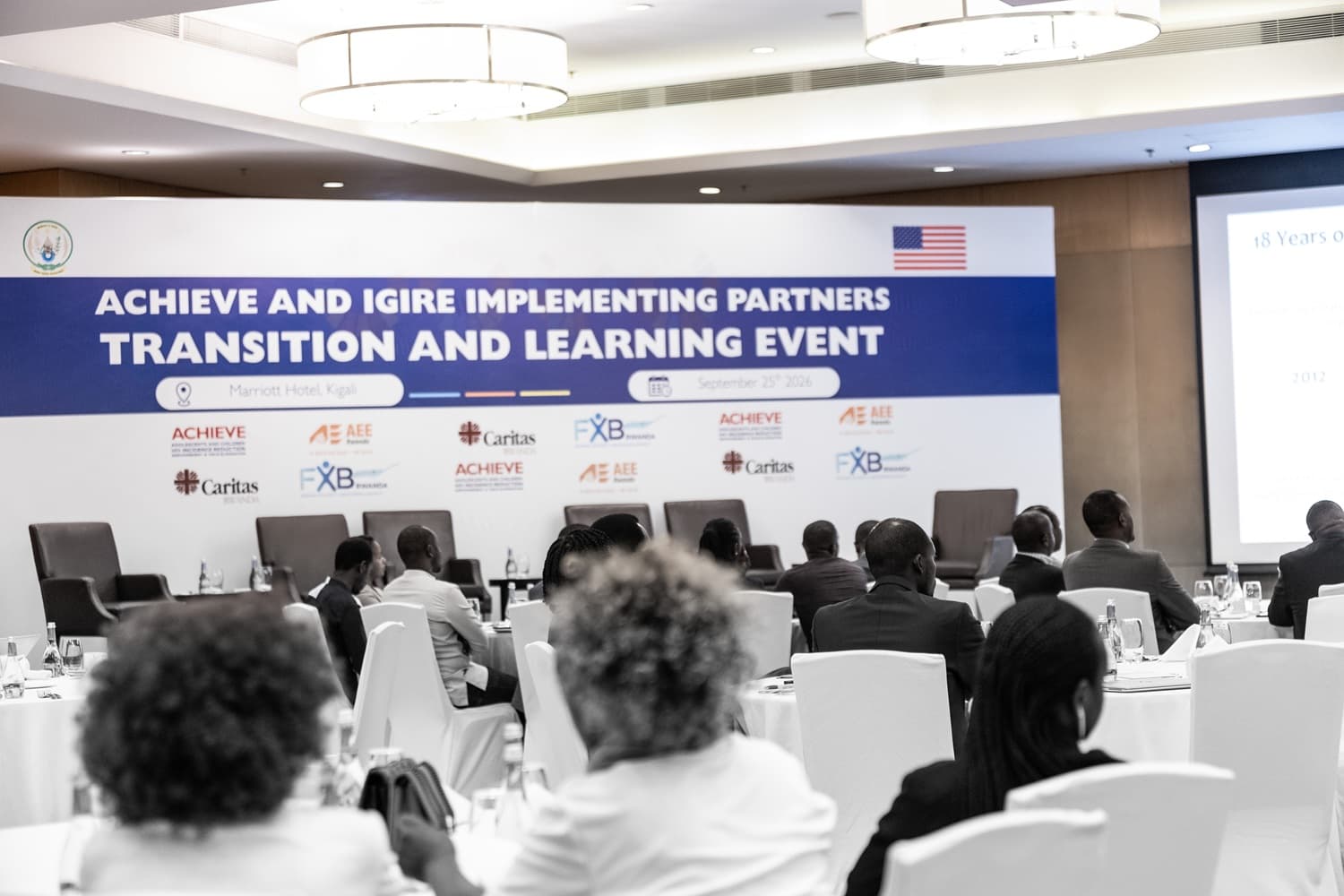
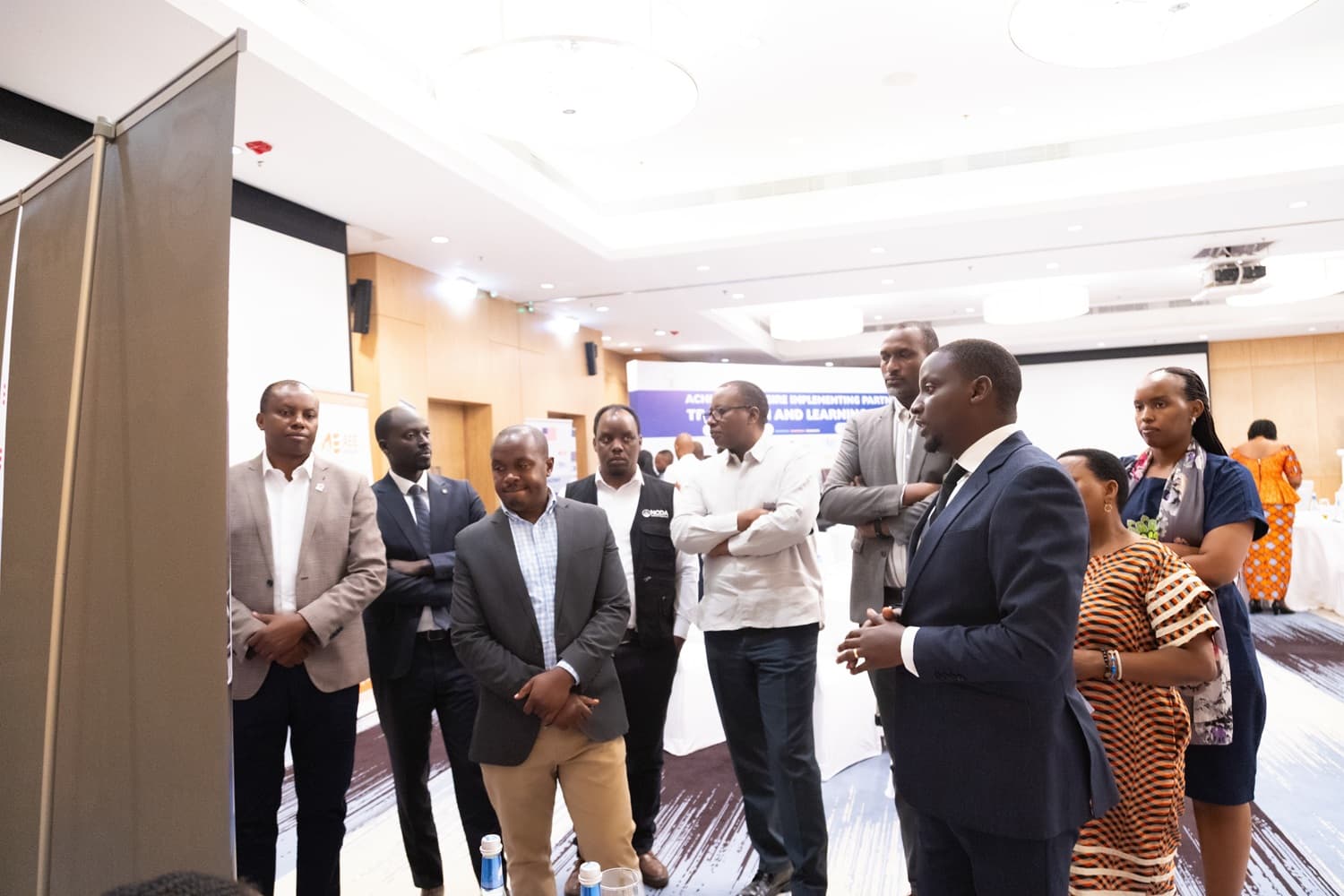
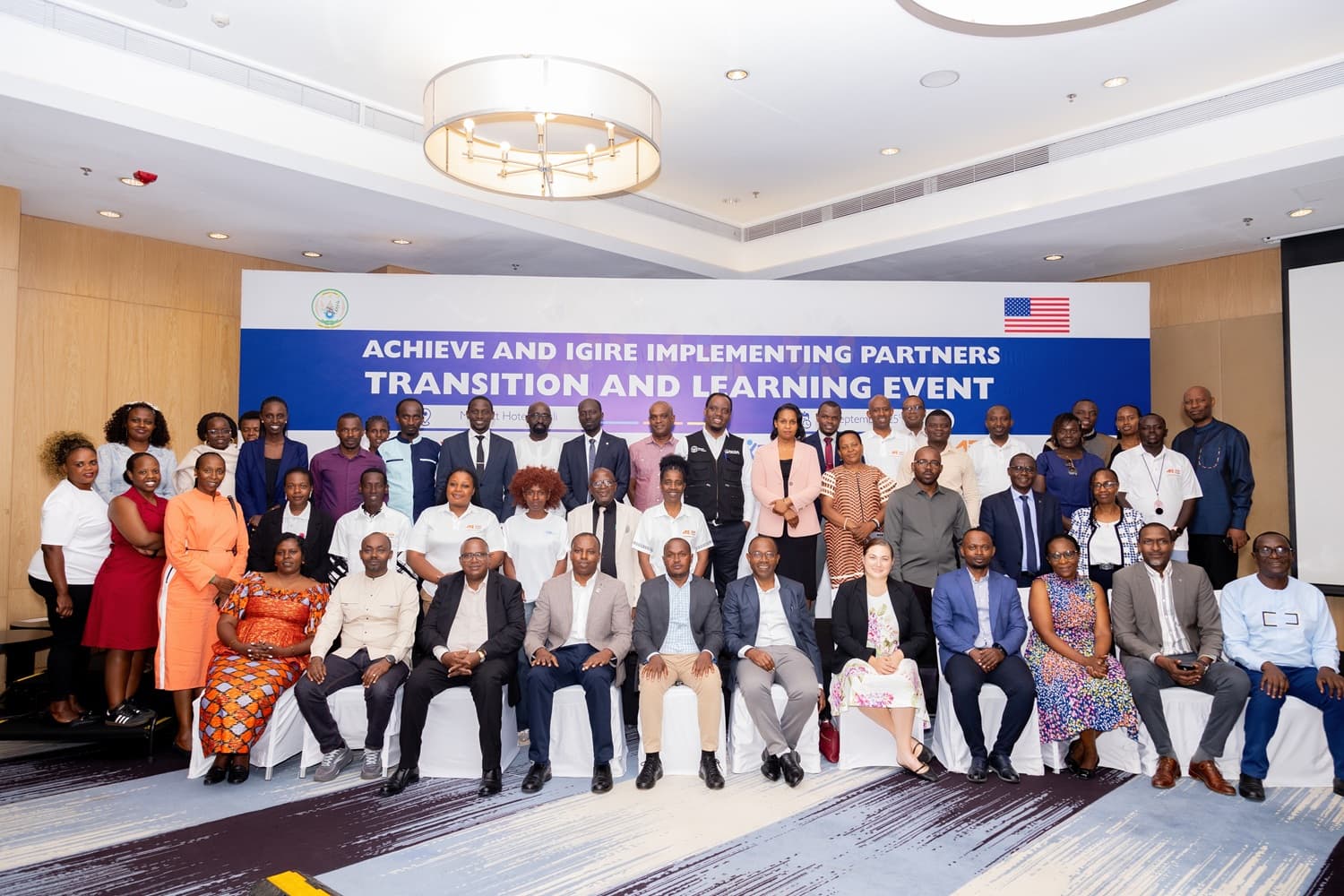
Kigali, Rwanda | 25 September 2026 — ACHIEVE and IGIRE Implementing Partners brought together government institutions, implementing partners, health facilities, community structures and volunteers to strengthen HIV prevention and response while addressing the social and economic vulnerabilities affecting children, adolescents and families across Rwanda.
Funded by the U.S. Government through PEPFAR, the projects supported Rwanda’s efforts toward HIV epidemic control through integrated programming for orphans and vulnerable children (OVC), adolescent girls and young women (AGYW), and people living with or affected by HIV.
The achievements and lessons from the three-year implementation period were reflected on during the ACHIEVE and IGIRE Implementing Partners Transition and Learning Event, held on 25 September 2026 in Kigali under the theme:
“Sustaining HIV outcomes through local ownership: celebrating achievements, sharing key lessons, and advancing Government-Led Programming.”
The event brought together stakeholders to celebrate collective achievements and look ahead to sustaining the systems, capacities and community structures strengthened through the projects.
An Integrated Approach to HIV Prevention and Resilience
- ACHIEVE and IGIRE combined three complementary programme tracks:
- OVC household case management,
- DREAMS services for adolescent girls and young women, and
- Life-Saving activities supporting treatment adherence and continuity of care.
The projects addressed HIV-related needs alongside the social and economic vulnerabilities that can increase the risk of HIV infection and poor treatment outcomes.
Through this approach, children, adolescents, women and vulnerable households were connected to a range of services including HIV prevention, care and treatment, case management, psychosocial support, child protection, education and socio-economic support.
The partnership model brought together complementary technical and community-level capacities from AEE, FXB, Caritas and PACT, working closely with government institutions, health facilities and local stakeholders.
Reaching Communities Across High-Burden Districts
Programming was implemented in districts prioritised based on HIV prevalence, the number of children and adolescents living with HIV, GBV prevalence and teenage pregnancy rates.
The implementing partners delivered complementary interventions across their respective areas of operation, including:
- AEE – IGIRE Ubaka Ejo: Gasabo, Kayonza and Rusizi
- FXB – IGIRE Turengere Abana: Rwamagana, Nyanza and Huye
- Caritas – IGIRE Gimbuka: Rubavu, Rutsiro, Karongi and Nyamasheke
- PACT – ACHIEVE: service delivery and technical assistance
This collaborative model enabled partners to combine community-based services, technical assistance and systems strengthening to reach vulnerable populations.
Results That Go Beyond HIV Services
Over the course of implementation, the projects generated results across health, protection, education, livelihoods and community resilience.
193,794 children and caregivers reached
A total of 193,794 children and caregivers received comprehensive services, supported by 1,600 trained peer educators who remain embedded in communities to help sustain HIV prevention and response.
172,428 adolescent girls and young women reached
Through 447 safe spaces, 172,428 adolescent girls and young women accessed sexual and reproductive health and rights (SRHR) services, supported by 300 DREAMS mentors and ambassadors.
153,256 people gained financial literacy
Economic strengthening was an important component of the projects’ approach to household resilience. 153,256 people gained financial literacy through 2,427 savings groups, creating community-based models that can continue beyond the life of the projects.
13,737 households received cash transfers
A total of 13,737 households received cash transfers to strengthen businesses, livelihoods, resilience and family wellbeing.
5,942 young people gained TVET skills
Through technical and vocational education and training, 5,942 young people gained marketable skills, creating pathways toward employment and improved livelihoods.
A community workforce of approximately 1,800 volunteers
Beyond the direct beneficiaries reached, the projects strengthened a broader community workforce of approximately 1,800 volunteers, building lasting local capacity for prevention, referrals, health education and community wellbeing.
Strengthening Community and Health Systems
The projects placed strong emphasis on building capacity within existing structures rather than creating parallel systems.
Implementing partners transferred skills to community health workers, Friends of the Family (Inshuti z’Umuryango), teachers and volunteer cadres, while digital systems such as DREAMS DHIS2 and the electronic Case Management System (e-CMS) supported case tracking and reporting and were designed to interoperate with national Government of Rwanda information systems.
Collaboration with government institutions, including the National Child Development Agency (NCDA), MIGEPROF, Rwanda Biomedical Centre (RBC) and the Ministry of Health, was also central to the sustainability approach.
The projects supported data-sharing and collaboration frameworks, engagement with health facilities, Technical Working Groups, standard operating procedures and tools, as well as joint supportive supervision with RBC.
Lessons for Sustaining the Gains
The close-out reflections highlighted several lessons from implementation.
- Strategic partnerships matter. Collaboration agreements with government institutions, health facilities, private-sector actors and local civil society organisations were identified as important contributors to project success.
- Strong government and stakeholder engagement strengthens sustainability. Regular engagement through project meetings, site visits and Technical Working Groups supported knowledge sharing, coordination and alignment with national priorities.
- Digitalised data systems improve case management. The electronic Case Management System strengthened data quality and accessibility while improving the efficiency and timeliness of reporting.
- Community–facility linkages are essential. Collaboration between health facilities and community structures supported referrals, follow-up and continuity of care.
- Investing in frontline workers creates lasting capacity. Training and coaching community volunteers, peer educators and site navigators strengthened comprehensive case management, adherence counselling and continuity of care.
A Legacy Built for Sustainability
As ACHIEVE and IGIRE conclude, their legacy extends beyond the numbers reached during implementation.
The projects leave behind skilled community workers and volunteers, functioning community platforms, strengthened livelihoods, digital systems, partnerships and local structures that can continue supporting HIV prevention, care, protection and community wellbeing.
The transition to Government-led programming provides an opportunity to build on these foundations and sustain the gains achieved through collaboration between government, communities, health facilities and partners.
Looking Ahead
The conclusion of ACHIEVE and IGIRE marks the end of a project cycle, but not the end of the systems and capacities developed through the investment.
The experience demonstrates the value of integrating HIV services with education, protection, psychosocial support and economic strengthening to help vulnerable children, adolescents and families become healthier, safer and more economically resilient.
As Rwanda continues to advance locally owned and Government-led HIV programming, the lessons, partnerships and community capacity built through ACHIEVE and IGIRE provide a foundation for sustaining progress and continuing to support communities beyond the life of the projects.